Data center site selection is one of the most important decisions an organization can make. The wrong location or the wrong partner can affect uptime, cost compliance, and long-term scalability for years.
Though most of us have never set foot inside a data center, as citizens of a data-driven world we depend on the services that data centers provide almost as much as we depend on a reliable water supply, the electrical grid, and the highway system. Every time we send a tweet, post on Facebook, check our bank balance, watch a YouTube video, or back up a computer to the cloud, we interact with a data center.
In this series, we’ll talk about the factors an organization needs to consider when opening a data center. Many of the factors to consider will be similar for opening a private data center or seeking space in a public data center, but we’ll assume for the sake of this discussion that our needs are more modest than requiring a data center dedicated solely to our own use (i.e. we’re not Google, Facebook, or China Telecom).
Data center technology and management are changing rapidly, with new approaches to design and operation appearing every year. Whether you’re evaluating colocation options or planning a dedicated facility, we’ll cover some of the most important criteria that should drive your decision.
What is a Data Center?
A data center is a facility that houses a large group of networked computer servers used by businesses, governments, and organizations to remotely store, process, or distribute large amounts of data.
While many organizations will have computing services in the same location as their offices that support their day-to-day operations, a data center is a structure dedicated to 24/7 large-scale data processing and handling.
In this discussion, we use the term data center to refer to facilities that are expressly dedicated to housing computer systems and associated components, such as telecommunications and storage systems. These facilities fall into two broad categories: private centers, which are owned or leased by one tenant only, and shared facilities that offer what are called “colocation services” renting space, services, and equipment to multiple tenants in the center.
A large, modern data center operates around the clock, placing a priority on providing secure and uninterrrupted service, and generally includes redundant or backup power systems or supplies, redundant data communication connections, environmental controls, fire suppression systems, and numerous security devices. Such a center is an industrial-scale operation often using as much electricity as a small town.
Types of Data Centers
There are a number of ways to classify data centers according to how they are set up and used. These factors include:
- Whether they are owned or used by one or multiple organizations
- Whether and how they fit into a topology of other data centers
- Which technologies and management approaches they use for computing, storage, cooling, power, and operations
- How green they are, which has become more important and visible in recent years
For the purpose of data center site selection, ownership model matters most, as it directly affects what you’re evaluating and committing to. Data centers can be loosely classified into three types based on ownership.
Exclusive Data Centers are facilities wholly built, maintained, operated and managed by the business for the optimal operation of its IT equipment. Some of these centers are well-known companies such as Facebook, Google, or Microsoft, while others are less public-facing big telecoms, insurance companies, or other service providers.
Managed Hosting Providers are data centers managed by a third party on behalf of a business. The business does not own data center or space within it. Rather, the business rents the IT equipment and infrastructure it needs instead of investing in the outright purchase of what it needs.
Colocation Data Centers are usually large facilities built to accommodate multiple businesses within the center. The business rents its own space within the data center and subsequently fills the space with its IT equipment, or possibly uses equipment provided by the data center operator.
Backblaze, for example, doesn’t own its own data centers but colocates in data centers owned by others. As Backblaze’s storage needs grow, Backblaze increases the space it uses within a given data center and/or expands to other data centers in the same or different geographic areas.
Key Factors to Consider When Selecting a Data Center Site
There are numerous factors to consider when deciding to build or to occupy space in a data center. Power availability, climate, geographic stability, proximity to customers, and sustainability certifications all factor into a decision that will affect your organization’s uptime, operating costs, and compliance posture for years.
Availability and Uptime
When designing or selecting a data center, your organization needs to decide what level of availability is required for its services. The type of business or service you provide will largely dictate this. Any organization that provides real-time and/or critical data services will need the highest level of availability and redundancy, as well as the ability to rapidly failover (transfer operations to another center) when and if the primary site goes down.
Some organizations require multiple data centers not just to handle the computer or storage capacity they use, but to provide alternate locations for operation if something should happen temporarily or permanently to one or more of their centers.
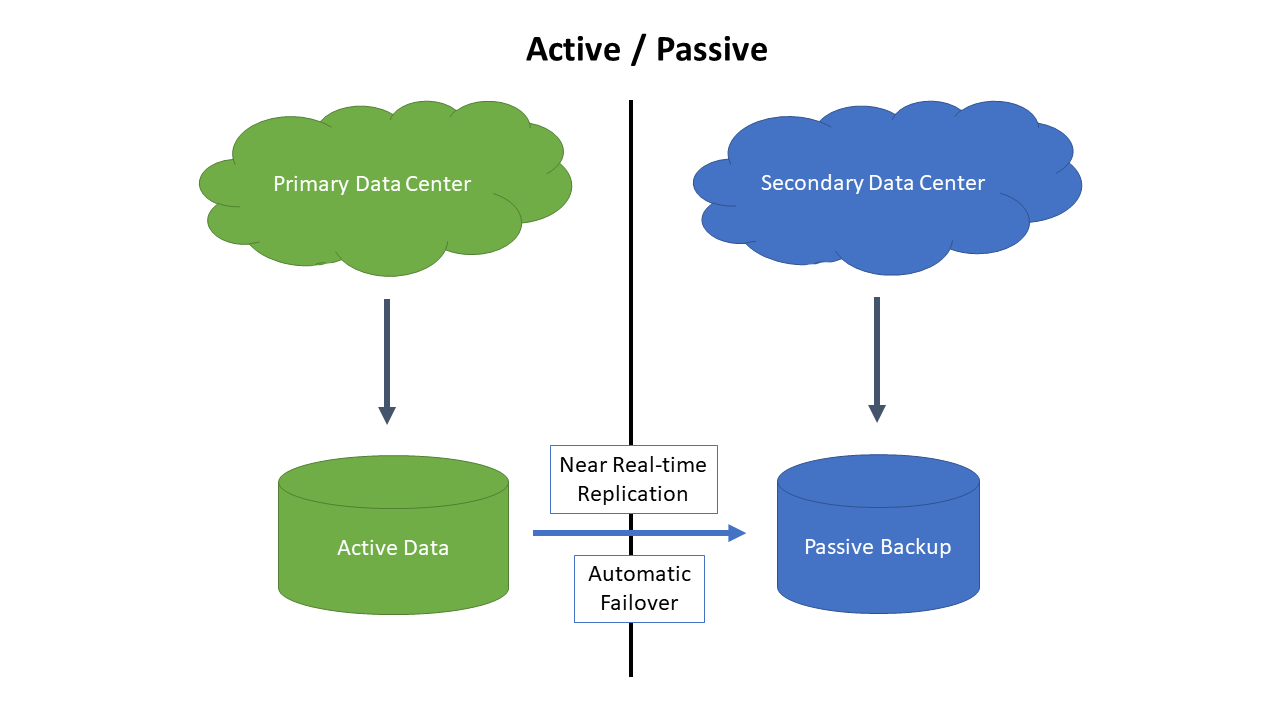
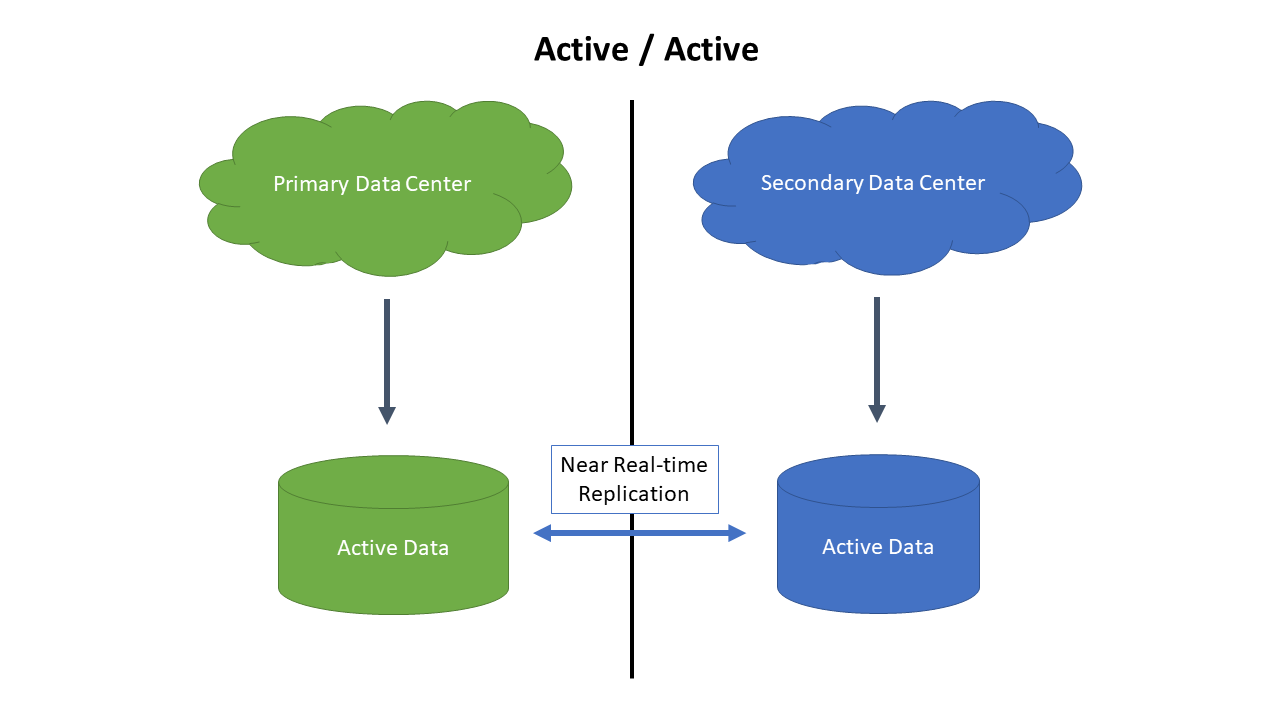
Organizations operating data centers that can’t afford any downtime at all will typically operate data centers that have a mirrored site that can take over if something happens to the first site, or they operate a second site in parallel to the first one.
These data center topologies are:
- Active/Passive: A mirrored secondary site stands by and takes over immediately if the primary site fails.
- Active/Active: Two sites operate in parallel, simultaneously, sharing the load at all times.
While some data center topologies are spread throughout a single country or continent, others extend around the world. Practically, data transmission speeds put a cap on centers that can be operated in parallel with the appearance of simultaneous operation. Linking two data centers located apart from each other — say no more than 60 miles to limit data latency issues — together with dark fiber (leased fiber optic cable) could enable both data centers to be operated as if they were in the same location, reducing staffing requirements yet providing immediate failover to the secondary data center if needed.
This redundancy of facilities and ensured availability is of paramount importance to those needing uninterrupted data center services. It also directly affects which tier of facility you need and what you will pay for it.
Size and Scalability
The size of the data center will be dictated by the business requirements of the owner or tenant. A data center can occupy one room of a building for a small business, one or more floors, or an entire building or campus for a hyperscaler like Google.
Most of the equipment is often in the form of servers mounted in 19-inch rack cabinets, which are usually placed in single rows forming corridors (so-called aisles) between them. This allows staff access to the front and rear of each cabinet.
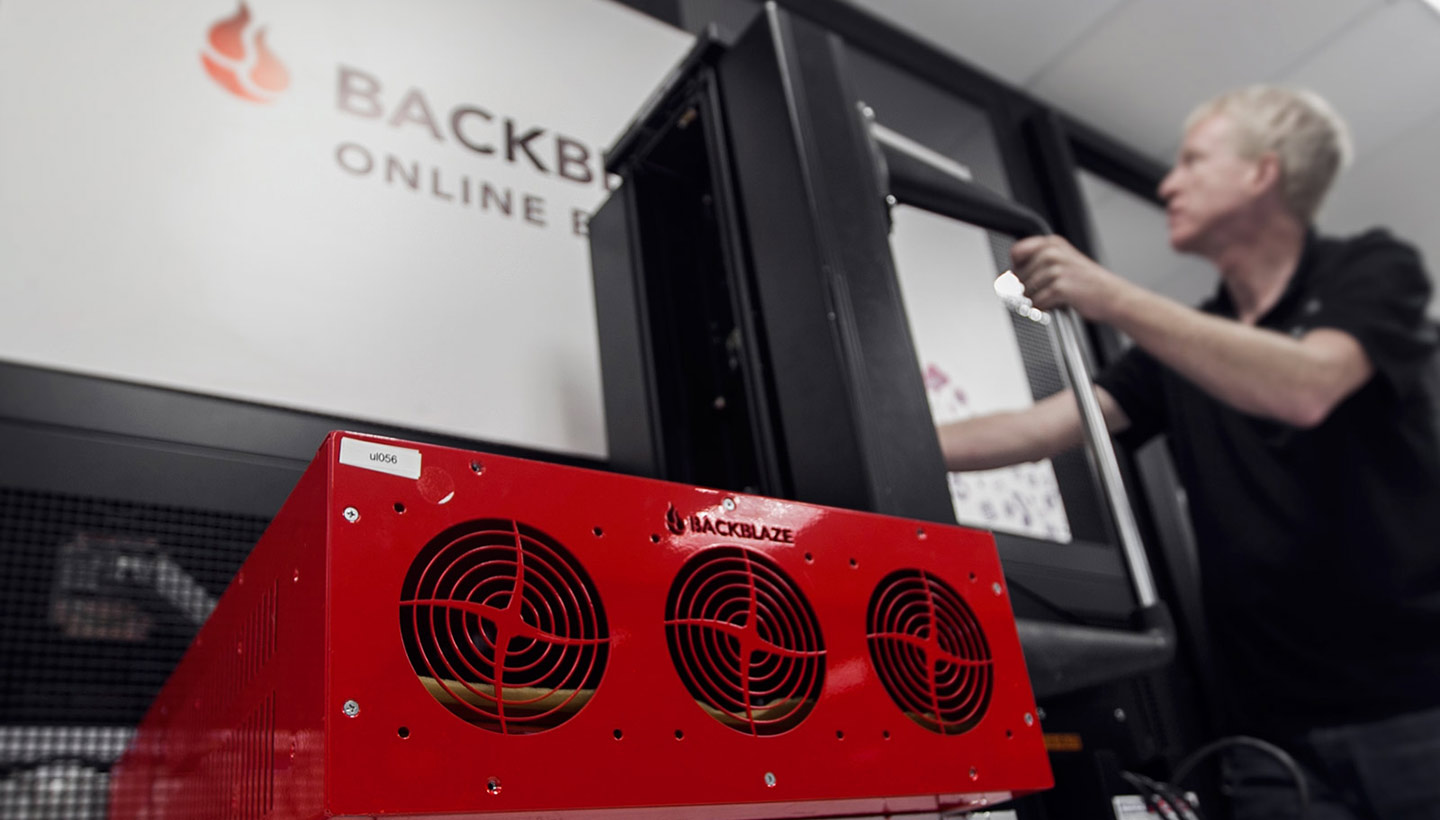
Servers differ greatly in size from 1U servers (i.e., one “U” or “RU” rack unit measuring 44.50 millimeters or 1.75 inches), to Backblaze’s Storage Pod design that fits a 4U chassis to large freestanding storage silos that occupy many square feet of floor space.
For most organizations, the right starting point is an honest assessment of current storage and compute needs alongside a realistic projection of growth.
Location
Location will be one of the biggest factors in data center site selection. Geological risks, neighboring land uses, and even local flight paths all fall under the location umbrella. Access to suitable power at a suitable price point is often the most critical factor and the longest lead time item, followed by broadband service availability.
With more and more data centers available providing varied levels of service and cost, the choices increase each year. Data center brokers can be employed to find a data center, just as one might use a commercial real estate broker.
Websites listing available colocation space, such as UpStack.com, or entire data centers for sale or lease, are also widely used. A common practice is for a customer to publish its data center requirements, and the vendors compete to provide the most attractive bid in a reverse auction.
Business and Customer Proximity
The center’s closeness to your own business or organization may or may not be a factor in the site selection. Your organization might wish to be close enough to manage the center or supervise the on-site staff from a nearby business location. Others may wish to operate entirely remotely with no proximity requirement.
The location of customers might also be a factor, especially if data transmission speeds and latency are important, or the business or customers have regulatory, political, tax, or other considerations that dictate where data can be stored and processed.
This is especially relevant for organizations serving international customers or operating under data residency requirements.
Climate
Local climate is a major factor in data center site selection and design because the climatic conditions dictate what cooling technologies should be deployed. In turn this impacts uptime and the costs associated with cooling, which can total as much as 50% or more of a center’s power costs. The topology and the cost of managing a data center in a warm, humid climate will vary greatly from managing one in a cool, dry climate. Nevertheless, data centers are located in both extremely cold regions and extremely hot ones, with innovative approaches used in both extremes to maintain desired temperatures within the center.
Geographic Stability and Extreme Weather Events
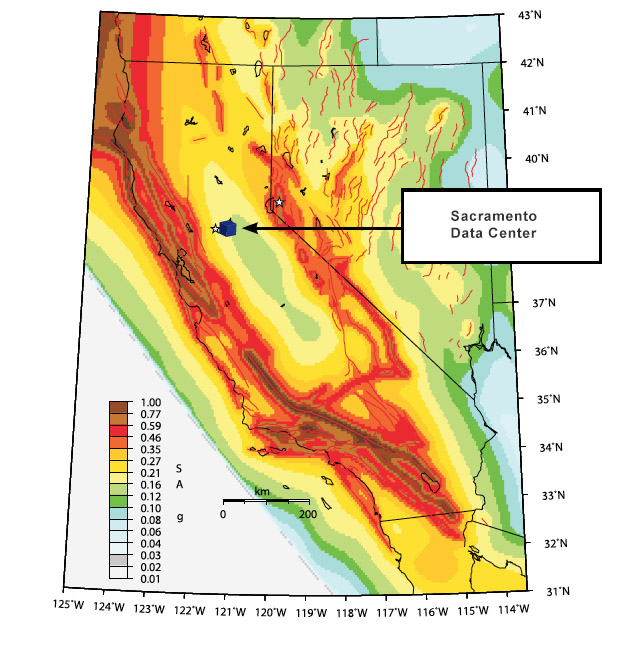
A major factor in data center site selection is the geographic stability of the physical site regarding weather, seismic activity, and the likelihood of weather events such as hurricanes, as well as wildfire exposure or flood risk.
Backblaze’s Sacramento data center was selected in part because its location is one of the most stable geographic locations in California, outside fault zones and floodplains.
Sometimes the location of the center comes first and the facility is hardened to withstand anticipated threats, such as Equinix’s NAP of the Americas data center in Miami, one of the largest single-building data centers on the planet (six stories and 750,000 square feet), which is built 32 feet above sea level and designed to withstand category 5 hurricane winds.
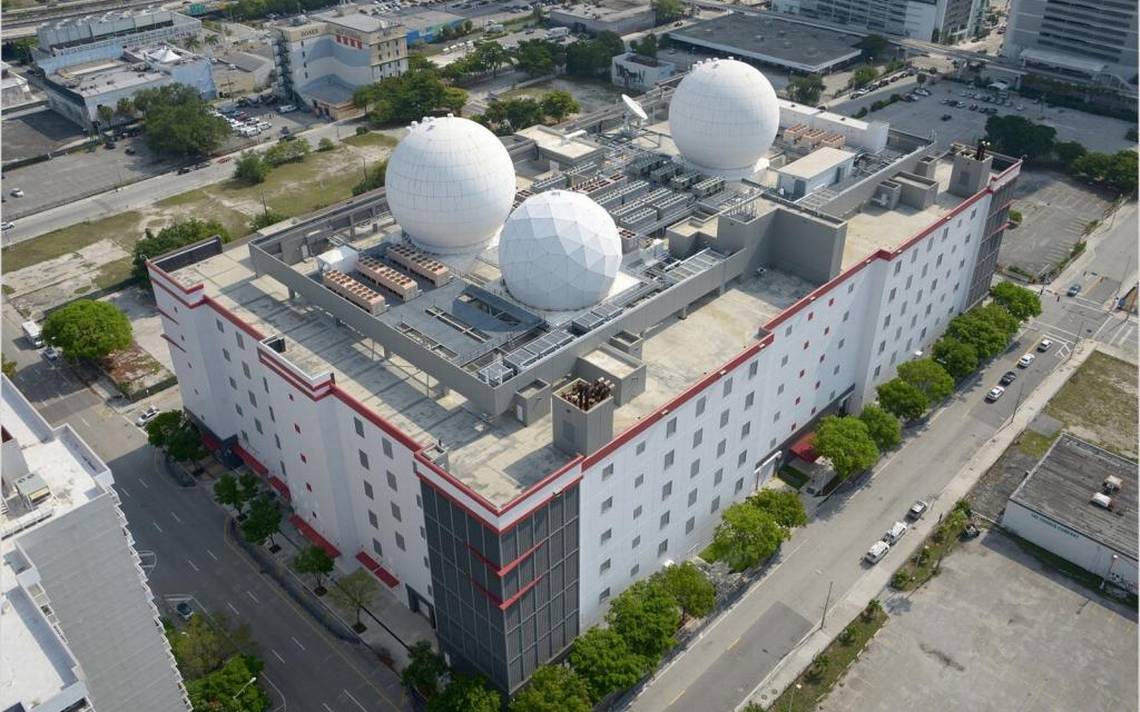
Equinix “NAP of the Americas” Data Center in Miami
Most data centers don’t have the extreme protection or history of the Bahnhof data center, which is located inside the ultra-secure former nuclear bunker Pionen, in Stockholm, Sweden. It is buried 100 feet below ground inside the White Mountains and secured behind 15.7 in. thick metal doors. It prides itself on its self-described “Bond villain” ambiance.
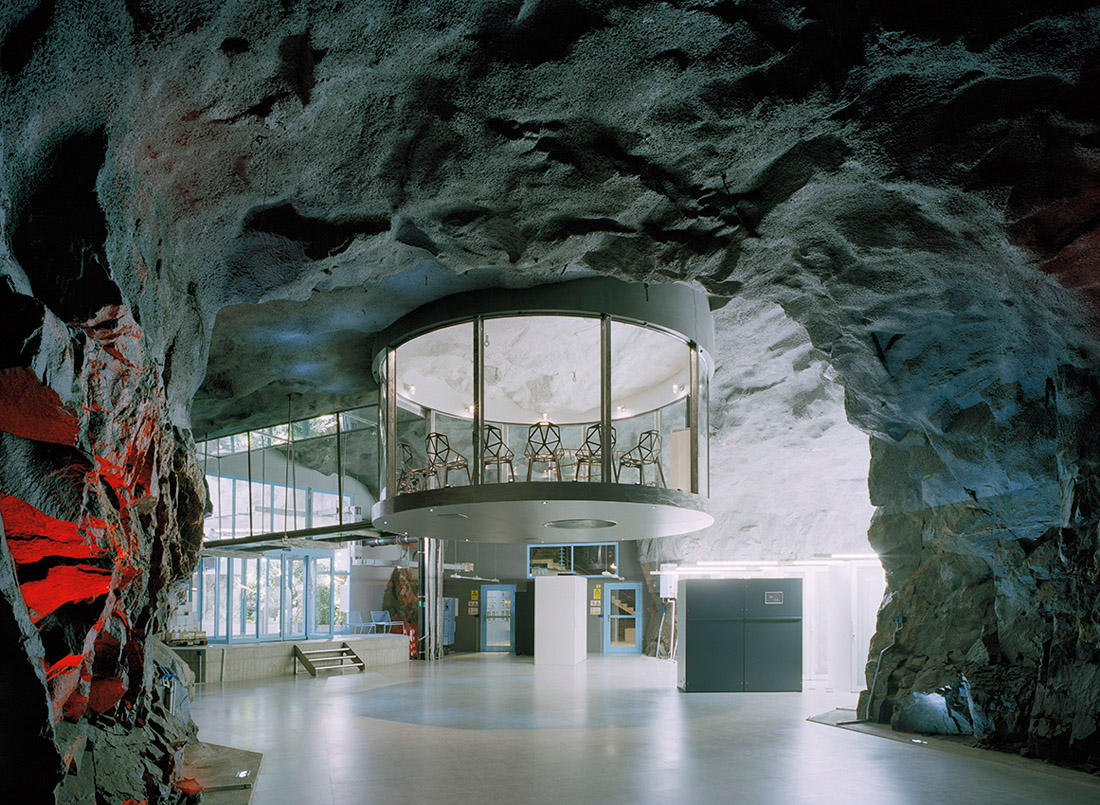
Bahnhof Data Center under White Mountain in Stockholm
Usually, the data center owner or tenant will want to take into account the balance between cost and risk in the selection of a location. The Ideal quadrant below is obviously favored when making this compromise.
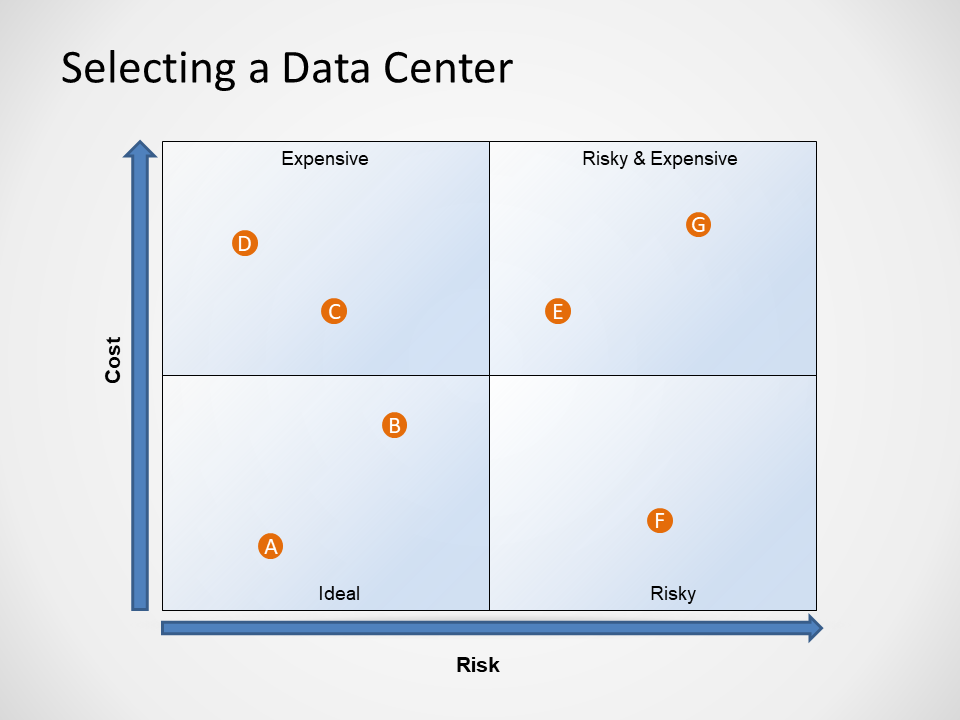
Cost = Construction/lease, power, bandwidth, cooling, labor, taxes
Risk = Environmental (seismic, weather, water, fire), political, economic
Risk mitigation also plays a strong role in pricing. The extent to which providers must implement special building techniques and operating technologies to protect the facility will affect price.
Power
Electrical power usually represents the largest cost in a data center. The cost a service provider pays for power will be affected by the source of the power, the regulatory environment, the facility size and the rate concessions, if any, offered by the utility. At higher level tiers, battery, generator, and redundant power grids are a required part of the picture.
Fault tolerance and power redundancy are absolutely necessary to maintain uninterrupted data center operation. Parallel redundancy is a safeguard to ensure that an uninterruptible power supply (UPS) system is in place to provide electrical power if necessary. The UPS system can be based on batteries, saved kinetic energy, or some type of generator using diesel or another fuel. The center will operate on the UPS system with another UPS system acting as a backup power generator. If a power outage occurs, the additional UPS system power generator is available.
Many data centers go further and require the use of independent power grids, with service provided by different utility companies or services, to prevent loss of electrical service no matter what the cause. Some data centers have intentionally located themselves near national borders so that they can obtain redundant power from not just separate grids, but from separate geopolitical sources.
Higher redundancy levels required by a company will invariably lead to higher prices. If one requires high availability backed by a service-level agreement (SLA), one can expect to pay more than another company with less demanding redundancy requirements.
Understanding your redundancy needs before entering negotiations is one of the most important steps in opening a data center.
LEED Certification and Sustainability
Sustainability has become an increasingly important criterion in data center site selection, both as an energy-efficiency cost lever and as a means of easing acceptance among regulators, partners, and the communities where facilities operate.
Leadership in Energy and Environmental Design (LEED) is a rating system devised by the United States Green Building Council (USGBC) for the design, construction, and operation of green buildings. Facilities can achieve ratings of certified, silver, gold, or platinum based on criteria within six categories: sustainable sites, water efficiency, energy and atmosphere, materials and resources, indoor environmental quality, and innovation and design.
Green certification has become increasingly important in data center design and operation as data centers require great amounts of electricity and often cooling water to operate. Green technologies can reduce costs for data center operation, as well as make the arrival of data centers more amenable to environmentally-conscious communities.
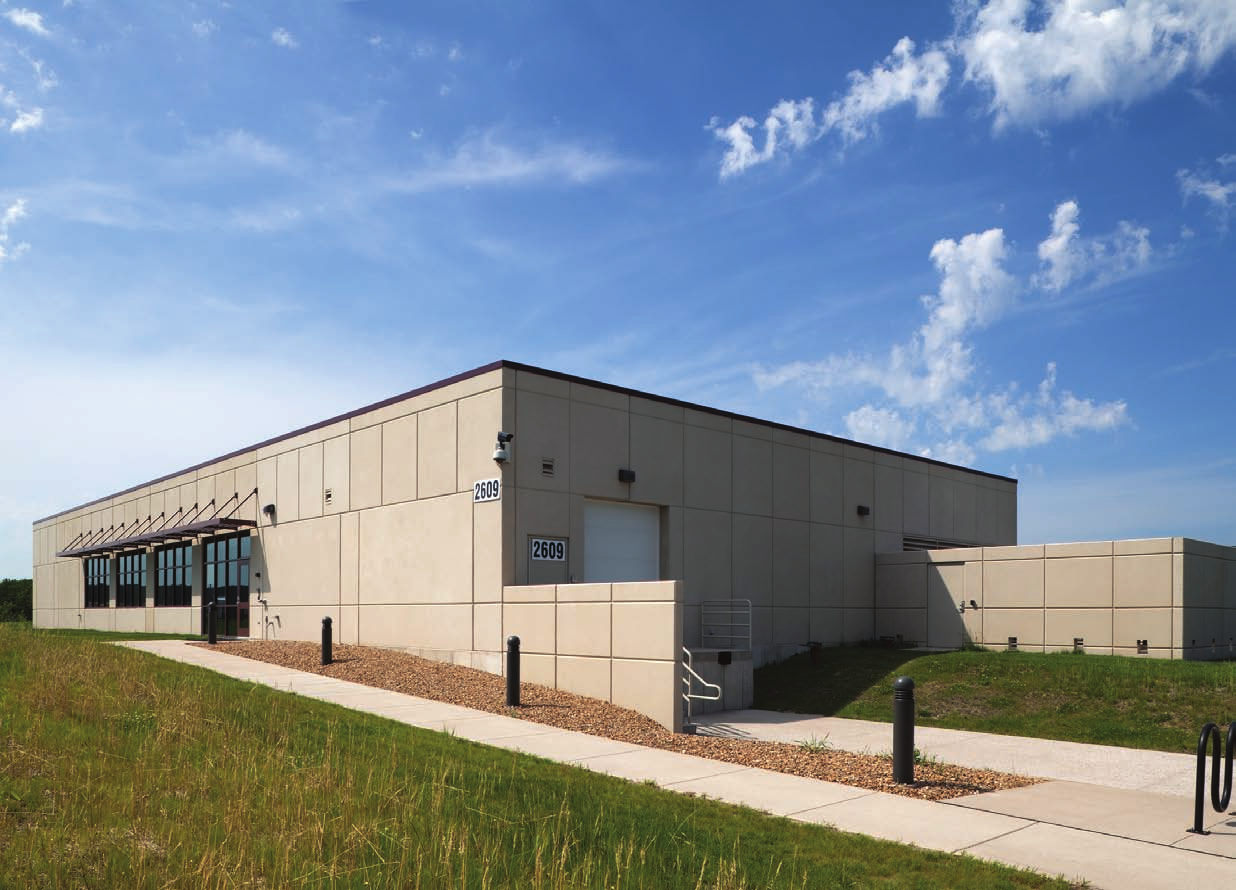
The ACT, Inc. data center in Iowa City, Iowa was the first data center in the U.S. to receive LEED-Platinum certification, the highest level available.
Continue with Part 2 of The Challenges of Opening a Data Center
That’s it for part 1. Read the second part here where we’ll take a look at some other factors to consider when moving into a data center such as network bandwidth, cooling, and security.
 Here’s a tip on finding all the posts tagged with data center on our blog. Just follow https://www.backblaze.com/blog/tag/data-center/.